Other Corneal Scars and Opacities: Causes and Treatment Options
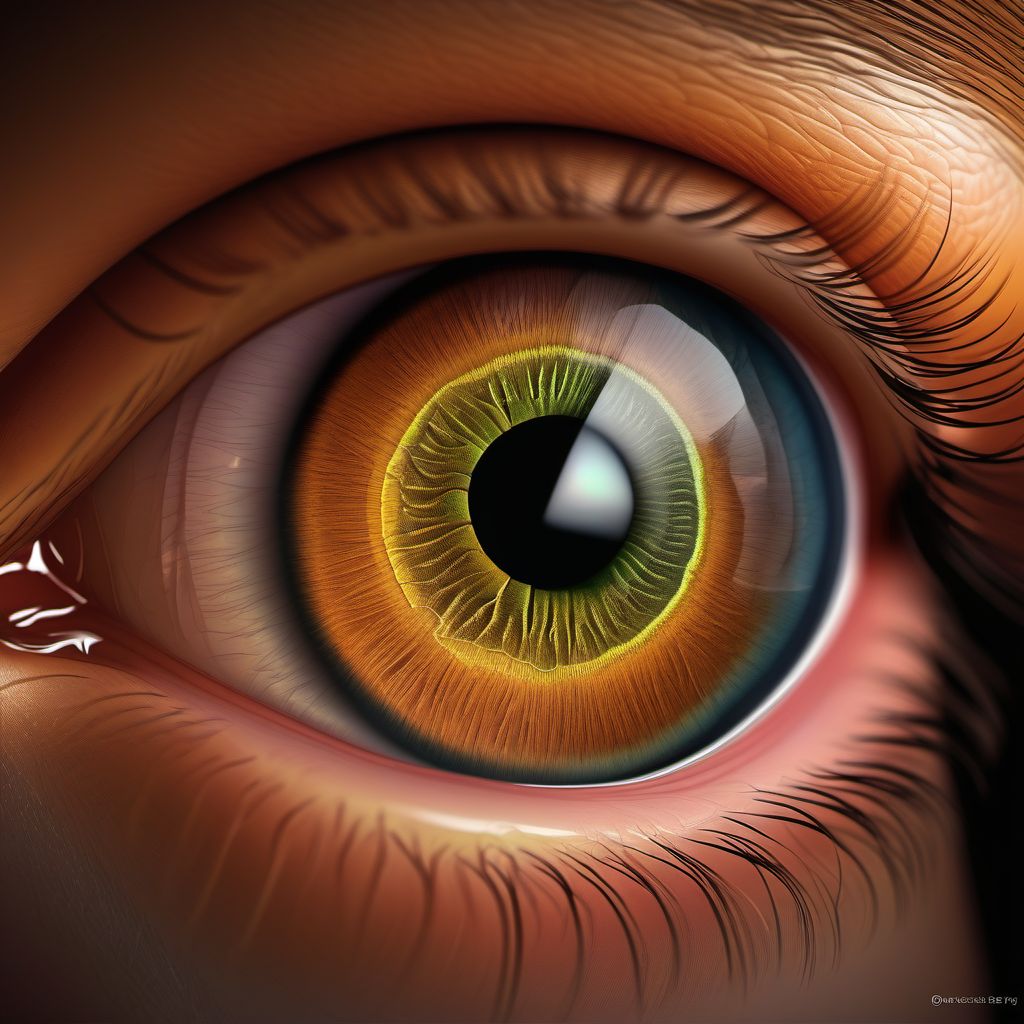
The cornea is a transparent layer located at the front of the eye. It plays a crucial role in refracting light and enabling clear vision. However, due to various reasons, the cornea can develop scars and opacities that can cause visual impairment and discomfort.
Here are some of the common causes of corneal scars and opacities:
- Infections: Bacterial, viral, and fungal infections can cause significant damage to the cornea and lead to scarring. These infections can be caused by various sources, including contact lenses, trauma, and exposure to contaminated water.
- Injuries: Trauma to the eye, such as a scratch or a foreign object entering the eye, can cause scarring of the cornea. Corneal scars can also occur after undergoing certain eye surgeries.
- Hereditary conditions: Certain genetic conditions can cause corneal scarring and opacity, such as Fuchs' dystrophy and lattice dystrophy.
- Autoimmune diseases: Conditions such as rheumatoid arthritis and lupus can cause inflammation and scarring of the cornea.
- Exposure to harmful substances: Exposure to chemicals, such as acids and alkalis, can cause severe damage to the cornea and lead to scarring.
The treatment options for corneal scars and opacities depend on the severity and cause of the condition. Here are some of the treatment options:
- Eye drops: Mild corneal scars may be treated with eye drops that can help reduce inflammation and promote healing.
- Corneal transplantation: In cases of severe scarring or opacity, a corneal transplant may be necessary. During this procedure, the damaged cornea is removed, and a healthy cornea from a donor is transplanted into the eye.
- Phototherapeutic keratectomy (PTK): This is a laser procedure that can help smooth out irregularities on the cornea's surface caused by scarring or opacities.
- Artificial cornea: In some cases, an artificial cornea may be implanted to replace a damaged cornea.
If you are experiencing any symptoms of corneal scarring or opacity, such as blurred vision, pain, or sensitivity to light, it is essential to seek medical attention promptly. Early diagnosis and treatment can help prevent further damage to the cornea and